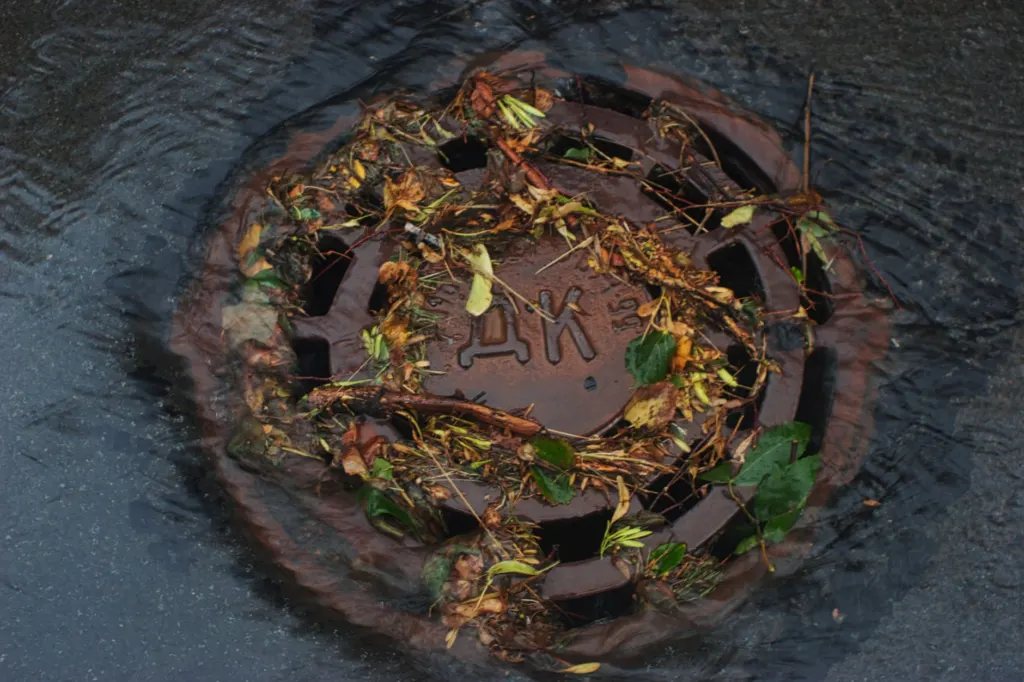
In a blocked drain emergency, stop using water first. Then work out whether one sink or toilet is blocked, or the whole house. A single fitting can often be cleared with a plunger or by cleaning the trap. If an outside drain is overflowing or your neighbours have the same problem, call your sewerage company instead. In England and Wales it clears shared drains and public sewers at no cost to you.
Blocked drain emergency: first steps
- Stop using water. Every flush, shower or washing machine cycle adds to the water that is backing up.
- Find where the blockage is. If only one sink or toilet is slow, the blockage is probably close to it. If only upstairs is affected, it is in your own pipework. If everything is slow, or the outside drain is overflowing, it is further down the pipe.
- Keep children and pets away from any dirty water, and wear rubber gloves.
- Switch off at the consumer unit if water is spreading towards sockets, but only if you can reach it without standing in water.
How to clear a blocked drain yourself
- Toilet: use a toilet plunger, which has a rubber flange under the cup to seal the outlet. Run it under the hot tap to soften the rubber, cover the outlet, push down gently, then pull up. Repeat several times, then lift it off and flush to test.
- Sink or bath: pour in a good squeeze of washing-up liquid followed by hot, not boiling, water.
- Clean the trap: under a sink, the U-bend usually unscrews by hand. Put a bowl underneath first.
- Lift the outside drain cover if it is safe and light enough, but never climb in. If the chamber is full, the blockage is further along. If it is empty, the blockage is between the house and that chamber.
Take care with chemical drain unblockers: the NHS lists them among household products that cause chemical burns, and overuse can damage pipes. If you use one, use one product only and follow the label. Never plunge while it is still in the pipe, because the water can splash back. If any gets on your skin, the NHS advice on chemical burns is to rinse it under cool or lukewarm running water for about an hour.
Who is responsible for the blockage?
The answer depends on where the blockage is and which part of the UK you live in. In England, shared drains passed to the sewerage companies on 1 October 2011, as the government’s 2011 news release explains.
| Where the problem is | England and Wales | Scotland |
|---|---|---|
| Inside your home, one sink or toilet | You, or your landlord if you rent | You, or your landlord if you rent |
| Drain serving only your home, inside the boundary | The property owner | The property owner |
| Your drain beyond the boundary | The sewerage company | The owner, up to where it joins the public sewer |
| Drain shared with neighbours | The sewerage company | The owners, jointly |
| Public sewer in the street | The sewerage company | Scottish Water |
Citizens Advice sets out who repairs drains and sewers in England and Scotland. In Northern Ireland, NI Water says a blockage may be its job if it is outside your boundary or affects more than one property. Its 24-hour line is 03457 440088. In England and Wales, CCW lists contact details for every water and sewerage company.
If a public sewer floods inside your home, the company must also pay you under the Guaranteed Standards Scheme. In England that is your annual sewerage charge, at least £300 and at most £2,000. In Wales the minimum is £150 and the cap £1,000, while flooding outside the home earns less. Claim within three months, according to CCW, the water consumer body (figures checked November 2026).
Does home insurance cover blocked drains?
It depends on the policy. The Financial Ombudsman Service says most buildings insurance covers damage to underground pipes and drains, but generally only those you are legally responsible for. Wear and tear and gradual damage are the most common exclusions. If you have home emergency cover, check how it defines an emergency and what excess you pay.
When to call for help tonight
A blocked drain emergency needs help tonight if sewage is coming into the house, your only toilet is unusable, or water is near electrics. If the blockage is on the sewerage company’s side, call them first. Otherwise, an emergency plumber or drainage company can come out. If you rent, tell your landlord too, because in England they must repair sinks, toilets, pipes and drains.
Before you let a drain firm start, check:
- the total price in writing, including any call-out or out-of-hours charge and VAT
- whether it is a fixed or hourly price, and what a camera survey or jetting adds
- that the blockage is not the sewerage company’s job
- that you can pay by card and get a receipt
Preventing the next blocked drain
- Flush only pee, poo and toilet paper. Thames Water warns that wet wipes block pipes, even ones labelled “flushable”.
- Let fat, oil and food scraps cool, then bin them.
- Fit hair catchers in showers and baths.
Is water coming from a split pipe instead? See what to do if a pipe bursts. If water is coming through the roof in a storm, read roof leaking in heavy rain.