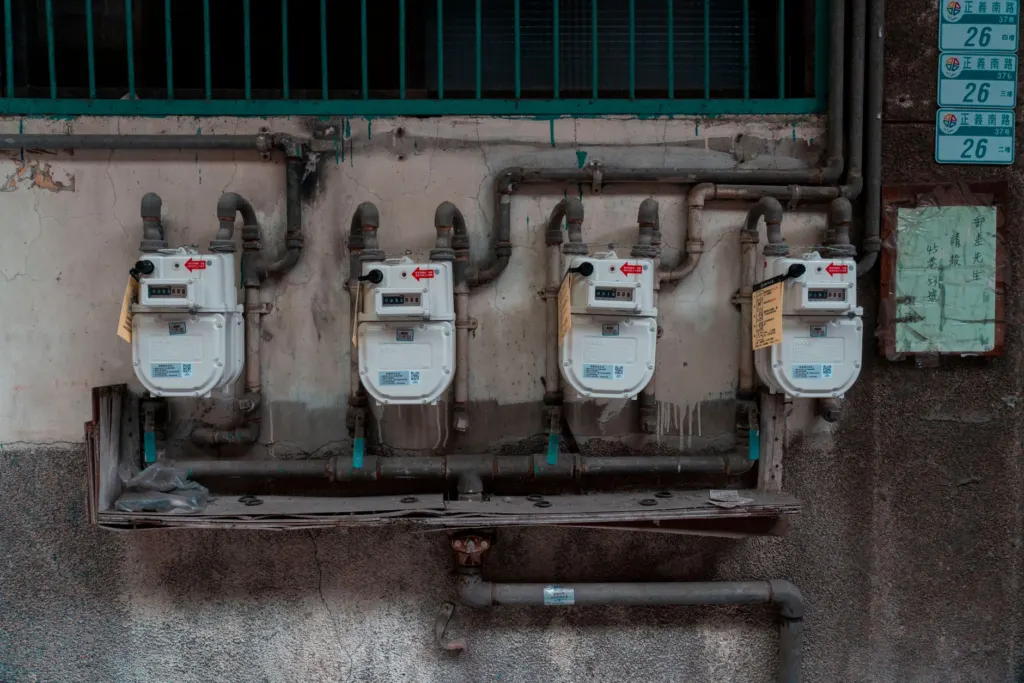
Here is what to do if you smell gas. Do not touch switches or light a flame. Open doors and windows, turn off the gas at the meter if it is safe, then get out. Once you are safe, call the free National Gas Emergency Service on 0800 111 999, day or night. Natural gas has no smell of its own, so a smell like rotten eggs is added to help you notice a leak.
What to do if you smell gas: right now
- Do not make a spark or a flame. Leave light switches, plugs and the doorbell or door entry system alone. Also, do not smoke, vape or strike a match.
- Open doors and windows to let the gas out.
- Turn off the gas. Check that no hob or other appliance has been left on unlit. Then turn the handle by the meter 90 degrees, so it sits across the pipe.
- Get everyone out and wait outside or with a neighbour.
- Call the National Gas Emergency Service on 0800 111 999 as soon as you are safe. The call is free and the line is open 24 hours. In Northern Ireland, call 0800 002 001.
Do not go back inside until the engineer says it is safe. Never assume a neighbour has already called, so ring the number yourself. If there is a fire, or someone is struggling to breathe or has collapsed, call 999 too. National Gas confirms the number and the main steps on its emergency contacts page.
Cellars, flats and gas outside
- Meter in a cellar or basement? Do not go down to it. Instead, leave the building and call.
- Live in a block of flats? Advice varies, so ask the adviser before you touch the handle. Northern Gas Networks, for example, says not to turn off the meter yourself in a block of flats or multi-storey building.
- Smell gas in the street or outside a building? Call 0800 111 999 as well, and keep flames away.
Not sure it is gas?
Treat a gas-like smell as a leak until an engineer says otherwise. The gas network Cadent agrees in its guide on how to detect a gas leak. If you smell gas at home and cannot find the source, it says, there is a good chance you have a leak. So if the smell comes back after a visit, call again.
Drains can smell of rotten eggs too, because sewers produce hydrogen sulphide. However, you cannot safely tell the two apart by smell, so call anyway. Also, if you feel dizzy, sick or have a headache but smell nothing, think of carbon monoxide.
What happens when you call
An adviser takes your details, tells you what to do and sends an emergency engineer. Tell them if anyone in the home is vulnerable. If English is not your first language, you can ask for an interpreter. If you have hearing or speech difficulties, use the free Relay UK app with 18001 0800 111 999, as SGN’s smell gas page explains.
The engineer carries ID and needs to come in to make the gas safe. Northern Gas Networks, for example, says its engineers arrive within one or two hours. However, their job is to stop the danger, not to repair appliances or internal pipework. If your boiler, cooker or fire needs work, you will need a Gas Safe registered engineer. Once the gas is safe, our guide on what to do when your boiler stopped working explains your options.
Carbon monoxide: the danger you cannot smell
Carbon monoxide has no colour or smell. It comes from appliances that burn fuel badly, and the HSE lists warning signs to look for. Check for yellow or orange flames where they are normally blue, and for soot or yellow-brown staining. Also watch for a pilot light that keeps going out, or more condensation inside windows.
Symptoms include headache, dizziness, feeling sick, weakness, tiredness, confusion and shortness of breath. They may get better when you go outside.
- If a carbon monoxide alarm sounds, open windows, turn off fuel-burning appliances if you can, and get outside.
- Call 0800 111 999 and do not go back in until you have advice.
- For symptoms, call NHS 111. If someone finds it hard to breathe, becomes suddenly confused or passes out, call 999. Do not drive yourself to A&E.
- Do not use the appliance again until it has been checked. The NHS explains the signs of carbon monoxide poisoning.
Checklist: prepare before an emergency
| Do now | Why |
|---|---|
| Find your gas meter and handle, and note if it is in a cellar | You can turn it off quickly in the dark, or know to leave and call instead of going down |
| Save 0800 111 999 in your phone (0800 002 001 in Northern Ireland) | No searching when every second counts |
| Fit a carbon monoxide alarm in each room with a gas, oil, coal or wood appliance | It warns you about a gas you cannot smell |
| Have gas appliances serviced every year by a Gas Safe registered engineer | Cadent advises a yearly service to keep them safe |
| Poor sense of smell? Fit a natural gas detector and join the Priority Services Register | The detector sounds an alarm, and the register gives you extra help in a gas emergency |
If you rent, your landlord must have a registered engineer check each gas appliance and flue every year. They must give you a copy of the record before you move in, or within 28 days of the check, as GOV.UK explains. If the power is off too, see power cut: what to do.